
Customer acquisition costs have increased tremendously in the last decade. Recent reports show that brands lose $34.80 for every new customer they acquire. Up from $29 in 2022 and $9 in 2013.
In essence, brands can only turn a meaningful profit if customers keep on coming back. This has placed unprecedented pressure on customer retention.
Brands use Customer retention management software to predict and prevent churn, keep existing customers happy, and drive repeat purchases.
This article compares four of the best customer retention management software platforms and explains how different types of tools help reduce churn, increase repeat purchases, and strengthen customer loyalty.
But first, you need to understand the types of retention software and how they influence the different aspects of customer retention.
Key takeaways
- Customer retention management software platforms help businesses retain customers, prevent churn, drive repeat purchases, and optimize customer lifetime value.
- There’s no one best retention software. Instead, businesses must rely on different types of platforms to keep existing customers.
- Common types of customer retention software include marketing automation, CRM and customer success platforms, customer support software, loyalty management software, product analytics, and customer engagement platforms.
- GetResponse is a marketing automation tool that uses behavioral triggers to send relevant marketing messages based on customers’ actions and preferences. It supports revenue attribution, so you can measure the exact ROI of your customer retention campaigns.
Best customer retention software comparison
| Platform | Best for | Key features | Pricing |
|---|---|---|---|
| Zendesk | Customer service management | AI customer support agentsAI ticketing and routingAI monitoringCopilot for human agents | Starts at $19/agent/month. AI agents, AI-powered knowledge base, and AI action builder are available from $55/agent/month |
| GetResponse | Lifecycle marketing automation | Behavioral automation workflowsAI product recommendationsRevenue attributionMulti-channel automationAdvanced audience segmentation | Starts at $15.58/month for 1,000 contacts. Marketer plan with unlimited workflows and advanced automations starts at $48.38/month for 1,000 contacts |
| HubSpot | Customer relationship management | Customer health monitoringAutomated churn-prevention campaignsCustomer support and resolution trackingAI agents | Smart CRM starts at $45/month/seat.Sales Professional starts at $90/month/seat.Service Professional starts at $90/month/seat.Marketing Professional starts at $800/month. |
| Gong | B2B revenue teams | Churn-risk detectionAI renewal coachingCall recording and indexingAI-generated action items | Custom pricing available on request based on team size and intended use. |
Types of customer retention software
Customer retention is multidisciplinary, meaning several aspects of your business must be flawless to keep customers delighted and coming back.
Marketing automation software
Marketing automation software keeps customers engaged with your brand. This is crucial for customer retention because you want to stay top of mind.
Top marketing automation tools, like GetResponse, track customer interactions and respond to specific user actions or inactions.
For example, a customer usually replenishes a certain product within 30 days. If the system doesn’t detect a reorder, it triggers a replenishment reminder workflow.
Another scenario is when a customer doesn’t open your emails or place an order in 90 days. This triggers an automated re-engagement workflow.
These campaigns promote customer retention and repeat purchases by keeping buyers engaged. They also increase the customer lifetime value.
Customer relationship software
CRM tools compile and unify customer data. They pull information like purchase history, customer support interactions, engagement data, customer feedback, and contract data.
The best CRM and customer success systems use this data to monitor customer health, identify churn risk, nurture stronger customer relationships, and reduce churn.
For example, they use predictive analytics by analyzing data like customer support issues, reorder rate (or product usage analytics for SaaS products), and engagement trends to flag churn risk.
They help you spot at-risk customers early enough to step in and prevent churn.
Plus, they give your customer success team the data and context they need to deliver pleasant customer experiences.
Customer support software
According to PwC, 29% of customers stop buying from a brand after a bad experience.
Customer support and customer experience software prevents, or at the very least, resolves poor customer experiences.
These tools centralize customer complaints regardless of the channels they come from. They give customer support teams access to all the context they need to resolve complaints quickly.
They also help teams track unresolved complaints and escalate issues more efficiently.
The best systems provide insightful analytics like recurring customer complaints. They also provide customer feedback tools to help you track crucial retention metrics like customer sentiment, net promoter score, and customer satisfaction rates.
Customer loyalty program management software
Loyalty management software helps you build a customer loyalty program that rewards repeat customers and encourages them to continue buying from your brand.
These programs are crucial, considering 90% of customers say being recognized for their loyalty matters to them. And 64% repurchase from their favorite brands every month, according to the 2026 GetResponse customer loyalty study.
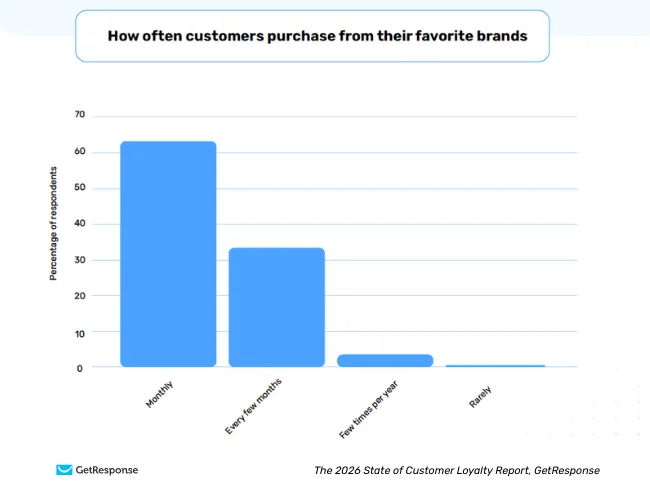
Some good examples of loyalty program management tools include Yotpo, which is popular among ecommerce brands, and LoyaltyLion.
These tools provide features like tiered reward systems that make your most loyal customers feel recognized and valued. This makes it really difficult for such customers to switch to competitors, too.
Your loyal customers will think twice about switching to a competitor if they’ve unlocked VIP perks like invitations to VIP events and priority access to new product launches.
Best customer retention management software
Below are four of the best customer retention tools. Given the multidisciplinary nature of customer retention, you probably need more than one of these tools to deliver a delightful experience and keep buyers coming back.
1. Zendesk – Best for customer support management
Zendesk is an AI-powered customer service platform that lets you resolve customer queries faster for a better experience.
The platform features AI agents that can handle common queries via web messaging, mobile apps, email, social messaging, and even voice. You simply feed the agents with your knowledge base. You don’t need developers, lines of code, or scripting to deploy them.
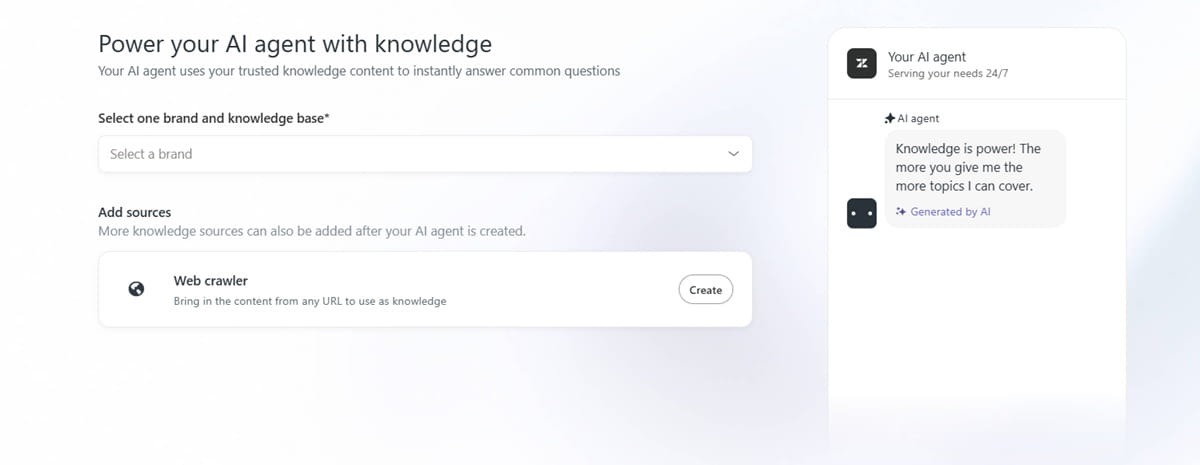
The AI customer support agent learns and improves from past conversations. They can also use common customer complaints to identify gaps within your knowledge base. The AI then recommends next steps, like creating an article that educates customers about a recurring issue.
Zendesk gives your human support agents an AI assistant called Copilot. It coaches your agents, suggests next steps, and can even implement specific actions based on the customer interaction.
This makes your customer support agents more efficient. It also delights customers with faster resolution times.
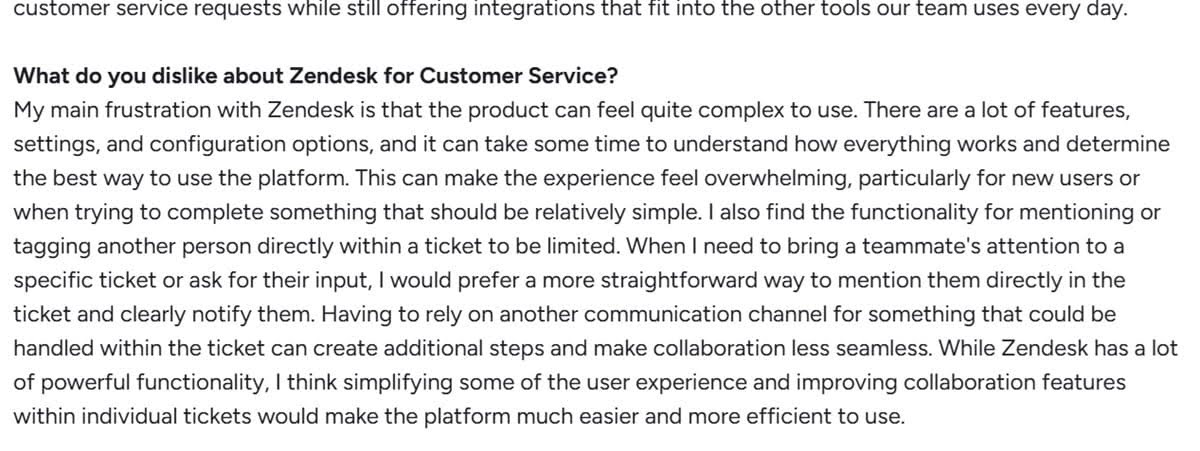
In terms of limitations, a good number of customers report that Zendesk is quite complex and takes time to learn. This is mostly because of the platform’s vast features. James explains it well in the Zendesk G2 review below.
Other features
- Consolidates support channels – Manage customer conversations across email, SMS, social media, and phone calls from one place. This brings all the context in one place for faster resolutions and prevents unresolved support tickets from falling through the cracks.
- AI ticketing system – Deploy prebuilt ticketing workflows in a few clicks to activate AI customer support agents. The built-in agents also route crucial customer inquiries to the right human agents most qualified to address the issues.
- AI monitoring – The AI actively monitors customer interactions and can highlight crucial conversations that may require human input or attention from the manager.
- Powerful reporting – Provides actionable insights showing the performance of both your human and AI customer support agents. The platform also supports customizable reports to uncover hidden patterns and forecast demand based on historical data.
Pricing
Zendesk plans start at $19 per agent per month. That plan includes the email and ticketing system, basic ticket routing, prebuilt analytics dashboards, and pre-written responses.
Omnichannel routing, AI agents, AI-powered knowledge base, and an AI action builder are available on the $55 per agent per month plan.
The Pro plan starts at $115 per agent per month. It includes advanced features such as skills-based routing, admin copilot, and an AI app builder for creating custom apps.
That plan also includes an AI writing assistant that can rephrase your human agent’s responses to make them more formal, shorter, or warmer.
An enterprise plan is available at a custom price for brands that need advanced security and governance. The plan offers approval workflows that loop in specific team members and a sandbox environment for testing workflows and features before they go live.
2. GetResponse – Best for lifecycle marketing automation
GetResponse is a marketing automation software that lets you automate the entire customer lifecycle, including the customer retention phase.
The platform integrates with your CRM systems and ecommerce store to track customer behavior. It monitors the pages they visit, items they buy, carts they abandon, and the email campaigns they open and click.
Additionally, the GetResponse automation system lets you assign tags and segment customers.
All that data is used to activate personalized automation workflows. So, instead of sending generic automated campaigns, you deliver tailored messages based on specific user actions.
This helps you provide 1-to-1 customer experiences that make your customers feel seen and understood. The result is repeat purchases, higher LTV, and stronger customer loyalty.
Our AI product recommendation engine is the perfect example of this. The engine monitors a customer’s purchase history and browsing behavior to understand their preferences. It then matches them with the right product offerings.
It automatically sends personalized product recommendations based on each customer’s preferences. All you have to do is add the dynamic recommendation block in your campaigns. The engine will fill that block with the right products for every customer.
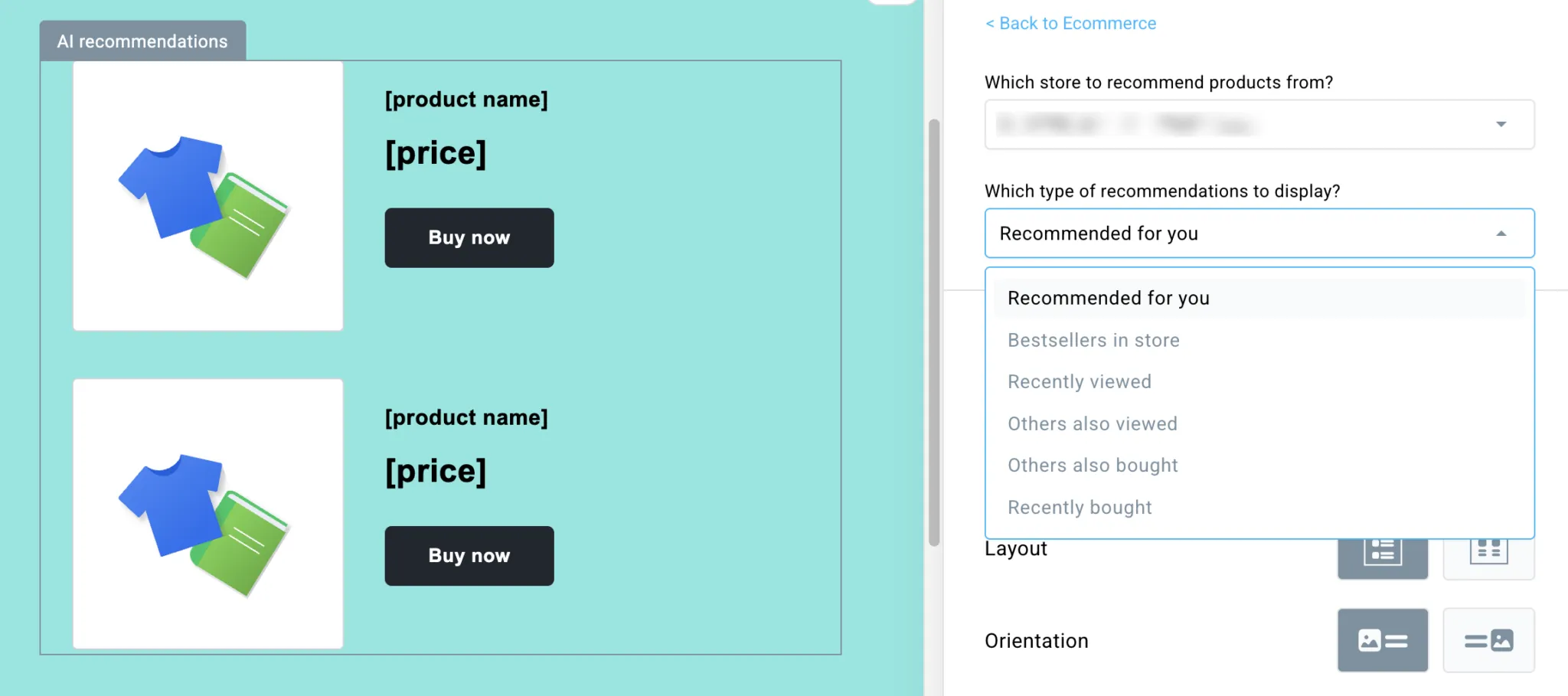
The AI product recommendation system also customizes the shopping experience on your ecommerce site. It shows customers the products they’re most likely to buy.
Data shows that AI product recommendations increase sales by up to 10% and average order value by 33%.
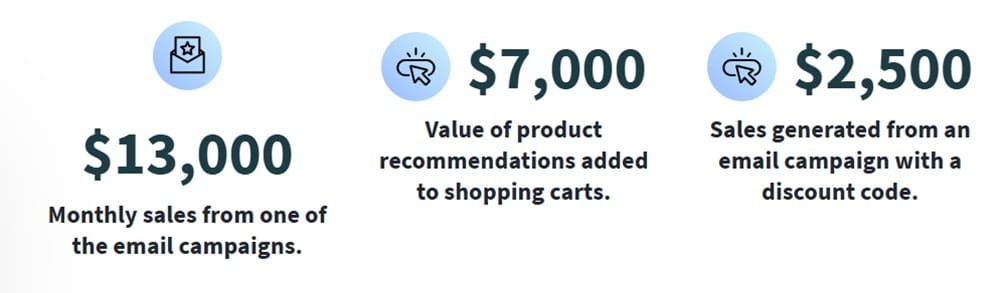
The online beauty store, Eveline Cosmetics, saw $7,000 worth of product recommendations added to the cart in just a single month, for example. Below is a snapshot of their numbers from using the GetResponse marketing automation platform.
Read more about their success story here.
The GetResponse marketing automation platform supports multi-channel automations. You can automate campaigns across email, SMS, and web through push notifications.
It lets you reach customers wherever they are from a single platform. You don’t need multiple subscriptions or hop between various tools to keep your customer retention workflows running.
The platform achieves all that while remaining very user-friendly.
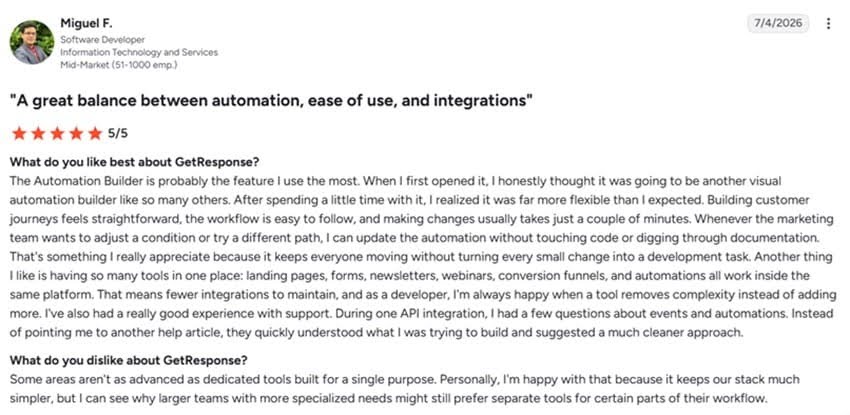
One of the most recurring GetResponse reviews from customers on G2 and Reddit is how easy it is to use. As Miguel and Christopher explain below.
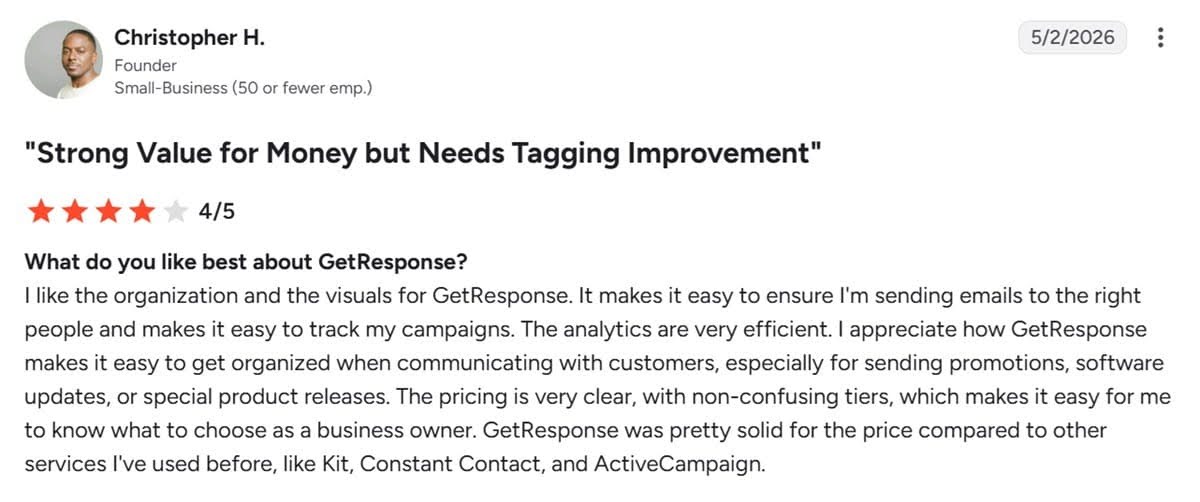
Christopher also points out how transparent and cost-effective GetResponse is, even compared to other automation systems like ActiveCampaign and Constant Contact.
One limitation some GetResponse users have highlighted is that access to some useful features, like transactional emails and product recommendations, is only possible with the enterprise plan.
Other features
- Visual automation builder – The drag-and-drop workflow editor lets you build automation workflows without writing any code. You can also pick and customize flows from a premade workflow templates library.
- Email marketing tool – GetResponse offers a powerful email marketing tool that lets you run crucial campaigns like welcome series and abandoned cart recovery campaigns.
- Transactional email service – GetResponse offers a reliable infrastructure for transactional emails like password resets, order confirmation emails, and shipping updates. These campaigns update your customers about the status of their orders. They’re crucial for a good customer experience.
- Revenue attribution – Track exactly how much revenue each campaign and automation workflow generates. It shows you what customer retention strategies pay off and their exact ROI.
- Paid ads tool – Manage paid ads across Meta and Google Ads platforms from inside GetResponse. It lets you retarget email list subscribers with personalized ads, retarget landing page visitors, and target lookalike audiences.
- Lead generation tools – Beyond supporting customer retention, GetResponse provides tools that feed your pipeline with new leads. This includes a landing page builder as well as a sign-up form and pop-up builder.
Pricing
Paid plans start at $15.58/mo for 1,000 contacts and unlimited monthly email sends. Though this plan supports marketing automation, it limits you to the welcome series and only one automation workflow.
We recommend at least the Marketer plan to unlock advanced automation features. This plan starts at $48.38/mo for 1,000 contacts. It includes unlimited automation workflows, advanced audience segmentation, sales funnels, unlimited web push notifications, and promo codes and revenue reports.
SMS marketing, AI product recommendations, transactional emails, and mobile push notifications are available on the Enterprise plan. This plan also supports single sign-on, a dedicated sending domain, unlimited users, and a dedicated IP address.
Get in touch with our team to receive a custom quote based on your specific needs. You’ll also get a dedicated customer success manager to help with your strategy and execution.
3. HubSpot – Best for customer relationship management
HubSpot is an all-in-one business solution that helps you improve customer relationships. It provides tools for sales, marketing, relationship management, and customer support.
The CRM houses crucial customer data, including product usage data that helps you keep a pulse on customer health scores. The platform alerts your team when it identifies dropping scores or at-risk customers. It also initiates automated outreach campaigns to engage the buyers before they churn.
Besides preventing customer churn, HubSpot’s Smart CRM also detects customers or accounts with expansion potential. It alerts your customer success teams or account managers of the potential upselling or upgrading opportunities.
HubSpot provides a customer support platform. Data from that platform is pulled into your CRM to give you a complete picture of every customer interaction.
It provides resolution metrics like full resolution time, which shows you if customers spend lots of time getting their issues resolved. And ticket reopen rate, which points to your team’s ability to fix customer issues.
Lastly, you can use HubSpot’s Marketing Hub to set up automated campaigns. The Marketing Hub is a well-known automation platform for small businesses. It comes with a drag-and-drop workflow editor, similar to GetResponse’s.
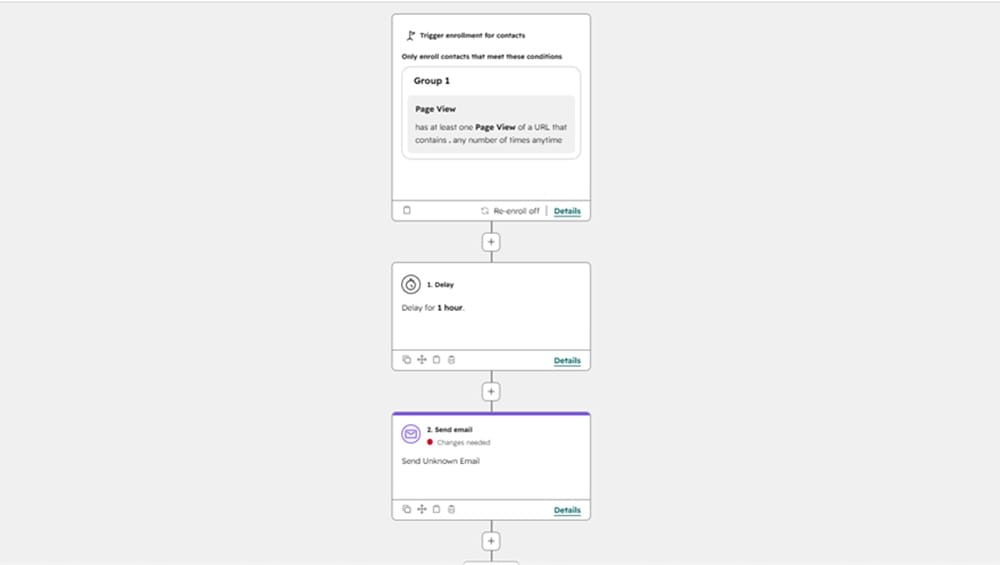
The challenge with HubSpot is that it’s pretty expensive. We’ve covered this in the pricing section below.
Other features
- Customer feedback collection – Create surveys to collect customer feedback automatically at key points throughout the customer journey. You could automate feedback collection after customer support interactions, for example.
- AI agents – HubSpot lets you create custom AI agents based on your CRM data. It also provides various prebuilt AI agents, including AI Breeze that helps with analyzing campaigns, a prospecting agent that supports sales teams, and a customer agent that resolves common customer queries.
- Team collaboration – Supports efficient collaboration between different teams since all the tools and customer data live in one place.
Pricing
HubSpot is an expensive customer retention platform, especially if you want to get maximum value from it. That’s because you’ll need to pay for various tools.
The Smart CRM platform starts at $45 per month per seat. It includes 3,000 HubSpot credits, which you’ll need to use any of the AI features.
The Sales platform starts at $7/mo, but that plan lacks key features like sequences and forecasting. You need at least the Professional plan to access the advanced features. That Pro plan starts at $90 per mo per seat.
The Service Hub for customer support teams starts at $7/mo/seat. However, the customer agent, customer feedback surveys, and knowledge base are only available from the $90/mo/seat Pro plan.
Then you have the Marketing Hub, which starts at $7/mo/seat, but powerful features like advanced marketing automation and unlimited workflows are available from the $800/mo Pro plan.
4. Gong – Best for B2B customer retention and renewals
Gong is a customer retention software that helps you detect churn and prevent it before it happens. The software plugs into your CRM and support system to access customer data.
It analyzes data like communication patterns and customer sentiment to flag at-risk customers.
It also has built-in AI capabilities to support your revenue teams. The AI can analyze call recordings and coach your team on how to approach renewal conversations, for example. It even offers call rehearsals, which allow reps to practice with an AI trainer prior to the call.
And since the AI joins all calls, it also records key action items. These are sent to your team after the calls to ensure nothing falls through the cracks.
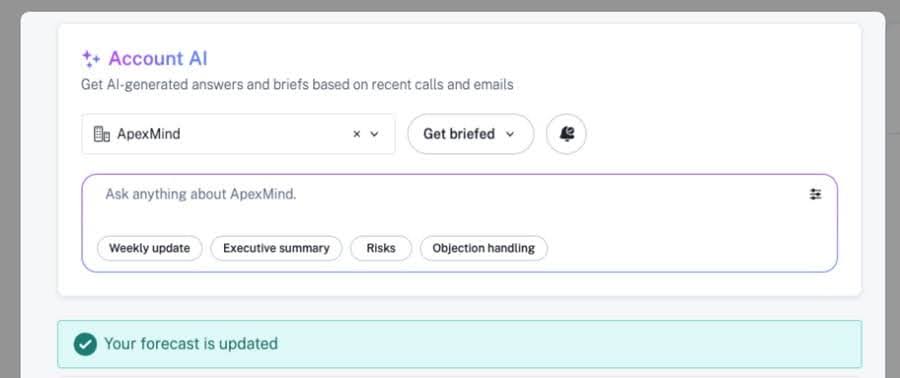
The calls are indexed so you can always go back and find any recordings you want.
Gong also supports collaboration between team members. Sales reps can conveniently share insights into what’s working, for example. This can help standardize your SOPs.
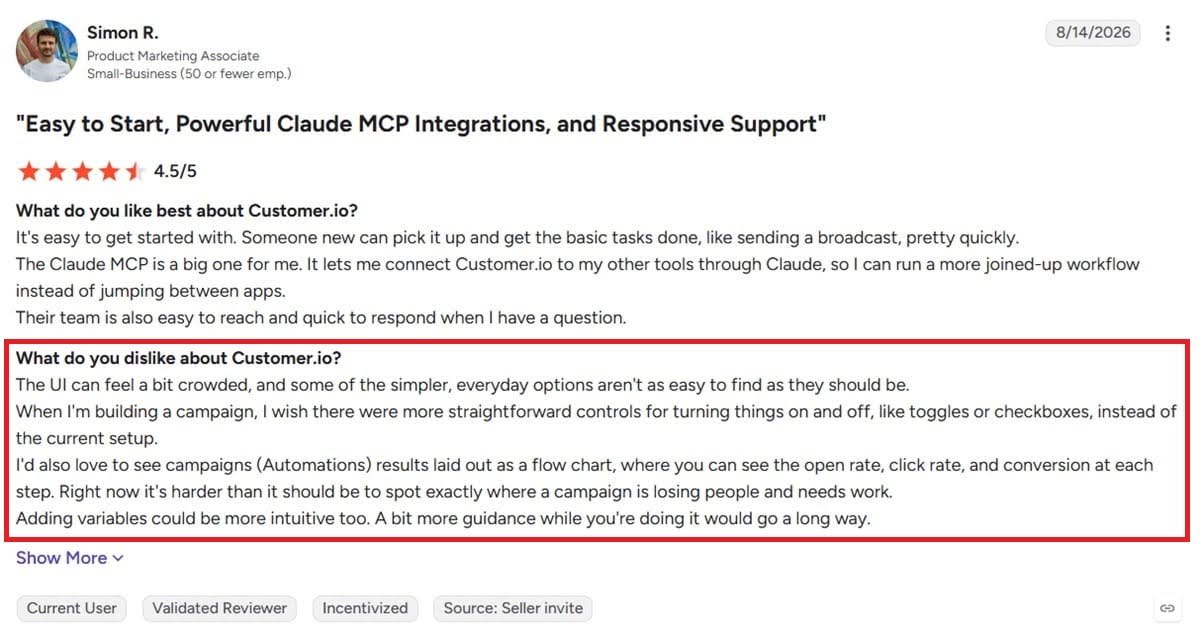
For limitations, a few users have noticed that the AI recommendations and even transcripts can be inconsistent at times. So you must be careful using them, especially for crucial decisions.
Other features
- AI insights – The AI agents work alongside your team every day, coaching them on how to drive renewal conversations and prevent customer churn.
- Privacy controls – Gong provides enterprise-grade security and privacy features to protect your customer data. It offers built-in consent tools and controls.
- Insightful analytics – Track crucial metrics like customer retention rate, revenue growth, revenue growth per rep, and win rate to see how the platform supports your customer retention efforts.
Pricing
Gong pricing is available on request only. You have to share your team size and what you want to use the platform for to receive a custom quote.
How to choose customer retention software
The right customer retention software depends on where customers are dropping off and what is causing them to churn. Start by identifying the problem you need to solve, such as low engagement, poor support experiences, weak product adoption, failed renewals, or declining repeat purchases.
Then look for a platform that connects with the systems where your customer data lives, such as your CRM, ecommerce store, support platform, billing system, or product analytics tools. The software should help you identify churn signals such as falling engagement, low customer health scores, reduced product usage, unresolved support issues, or changes in purchase frequency.
Finally, make sure you can act on those signals. Depending on the platform, that may include automated re-engagement campaigns, renewal outreach, customer support workflows, loyalty rewards, or lifecycle messaging. Reporting should also help you track retention metrics such as churn rate, customer retention rate, repeat purchase rate, renewal rate, customer lifetime value, and revenue generated by retention campaigns.
Best customer retention tools FAQs
1. What are customer retention tools?
Customer retention tools are software solutions that help brands prevent customer churn, drive repeat purchases, and promote brand loyalty.
2. What is the best customer retention software?
Zendesk, GetResponse, and HubSpot are some of the best customer retention software platforms. Each of these tools plays a unique role in keeping current customers. Zendesk supports customer service, GetResponse automates personalized customer engagement, and HubSpot enables customer relationship management.
3. How to choose customer retention software?
Choosing the right customer retention software will depend on the type of retention management tool you’re buying. Behavioral-based triggers, seamless integrations, and revenue attribution are crucial when choosing a marketing automation tool. Meanwhile, predictive analytics and health scoring are vital in a CRM system.
4. What are some effective customer retention programs?
Some effective customer retention programs include personalized email campaigns, proactive customer support, and value-driven referral and customer loyalty programs.
