
Customer lifecycle management helps you guide people from discovering your brand to buying again and recommending you. A five-stage model covers awareness, acquisition, purchase, retention, and advocacy. For ecommerce teams, the job is to connect customer data, relevant messages, and support at each stage.
What is customer lifecycle management?
Customer lifecycle management (CLM) is the process of guiding customers through awareness, acquisition, purchase, retention, and advocacy.
CLM helps teams manage the customer journey, from the first encounter with your brand to post-purchase support. The goal is to understand what each customer needs and respond with relevant communication or help.
CLM and customer lifecycle marketing work closely together. Lifecycle marketing focuses on personalizing customer engagement as people move through the customer journey. CLM also covers sales handoffs, customer service, and product feedback.
Effective customer lifecycle management requires cross-functional teams working together. Marketing teams attract and nurture prospects. Sales teams help people evaluate the offer and complete a purchase. Customer success and support teams help customers get value after the sale.
Each of these teams engages customers directly, so they have access to first-hand feedback. Product teams need that feedback to improve the product experience. Agree on shared lifecycle stages and handoff rules so customers don’t have to repeat themselves at each touchpoint.
The five customer lifecycle stages at a glance
This five-stage model separates becoming an interested prospect from making a purchase. Customers can pause, return, or leave at any stage.
| Stage | Goal | Typical activity |
|---|---|---|
| Awareness | Help people discover your brand. | Useful content, campaigns, and referrals |
| Acquisition | Turn interest into identifiable leads. | Signup forms and relevant follow-ups |
| Purchase | Help prospects complete their first order. | Clear checkout and post-purchase communication |
| Retention | Help customers get value and buy again. | Support, loyalty perks, and relevant recommendations |
| Advocacy | Make recommendations and feedback easier. | Referral programs and honest review requests |
Why customer lifecycle management matters
Customer lifecycle management helps you spot where customers disengage and choose an appropriate response before sending the next campaign.
Customers do not take a linear path. Some customers enter the funnel but don’t proceed to make a purchase. Others make a purchase but never return. Tracking these differences helps you respond to actual behavior rather than sending everyone the same promotion.
- Support revenue growth. One of CLM’s objectives is to track customer behavior and deliver relevant engagement. A recommendation based on a previous purchase gives you a reason to reach out. Test whether that message increases purchases for your audience.
- Build customer lifetime value. Customer lifecycle management recognizes the value of customers beyond their initial purchase. Follow up after a sale, offer useful support, and recommend relevant products. Measure repeat purchases and profit over time to see whether those efforts pay off.
- Reduce dependence on paid acquisition. Referral programs give customers a way to introduce friends to your brand. Alongside paid forms of advertising, referrals provide another acquisition channel. Compare referral rewards and program costs with the cost of acquiring customers through ads.
- Allocate resources by customer need. CLM helps you create customer segments, such as new, at-risk, churned, and loyal. Choose outreach based on the customer’s purchase history, current needs, and likelihood of returning.
At-risk customers haven’t fully disengaged yet. A re-engagement campaign gives you a chance to understand why their activity has dropped before treating them as lost.
Tracking customers’ entire journey also helps you know how best to respond to their actions. Offer brand loyalists exclusive perks, ask disengaged customers for feedback, and reserve discounts for situations where the offer makes sense. That gives you more control over margins than a blanket discount strategy.
Stage 1: Build awareness of your brand
Customer lifecycle management begins with awareness: helping potential customers discover your brand and understand what you offer.
The awareness or discovery stage is when customers first encounter your brand. This might happen through a referral or your marketing campaigns. Your job is to create a good first impression.
Build a presence where your target customers spend time. This requires strategic brand building and marketing campaigns that explain who your products are for.
Partnering with relevant influencers. Sponsoring events. Running multichannel marketing campaigns. Choose activities that reach the audience you can serve, and keep your message consistent across channels.
Make your website and social profiles clear about what you sell, who it helps, and what makes the offer different. Work with loyal customers who want to spread the word, and invite honest reviews on relevant platforms.
Find out which channels your high-value customers first discovered you on. Combine referral-source data with a short customer survey to help decide where to invest more of your resources.
Key metrics to track at the awareness stage
- Share of voice
- AI visibility across a defined set of relevant prompts
- Brand search volume
- Reach and impressions
- New website visitors
- Social media engagement
- Referral and word-of-mouth signals
Treat reach as a discovery metric. Check whether those visitors later become qualified leads or buyers before expanding a campaign.
Stage 2: Turn awareness into acquisition
Customer lifecycle management uses the acquisition stage to turn awareness into interest, engagement, and identifiable leads.
The objective at this stage is to build customer relationships and educate prospects about your product offerings. Give people a useful reason to stay in touch, such as a relevant guide, webinar, or product update.
Start the customer acquisition process by understanding the prospect’s attributes and needs. One way to do that is by tracking how the customer entered your sales pipeline.
Was it from a paid ad promoting a specific product? Did they sign up for a webinar on a particular topic? Or perhaps they downloaded a certain whitepaper or lead magnet?
Knowing how the customer entered your pipeline gives you clues about their interests. Use signup preferences, email clicks, and direct feedback to check those assumptions before personalizing the next message.
Match the follow-up to the original offer. Someone who downloaded a product comparison needs help choosing; someone who requested a demonstration needs a clear next step. Give each message one purpose and a relevant call to action.
Agree on what makes a lead ready for sales or ready to buy. That keeps your marketing and sales teams working toward the same outcome.
What to track at the acquisition stage
- Visitor-to-lead conversion rate
- Marketing-qualified leads
- Sales-qualified leads, where a sales team is involved
- Cost per lead
- Email click-through rate and subsequent actions
Stage 3: Make the first purchase easier
Customer lifecycle management reaches the purchase stage when a prospect completes an order or becomes a paying subscriber.
Make the buying process as straightforward as possible. Provide payment options your customers use, show delivery costs before checkout, and have a clear return and refund policy.
Communicate with your new customers through automated post-purchase emails for order confirmations, delivery updates, and setup guidance. Add SMS where the channel is available and the customer’s permissions allow it.
The first purchase gives you a starting point for retention. Clear communication helps customers understand what happens next and where to get help.
Check out this guide on post-purchase emails for campaigns that support the relationship after the first sale.
Identifying what doesn’t work with potential customers at this stage of their journey is equally important. How many of your leads stall between the acquisition and conversion stages? Are there leads that dropped off before converting?
Identify these leads and try to collect feedback from them. For the leads that have stalled, is it a pricing concern or a worry about the value of your product? For those who dropped off completely, what aspects of your offer or business didn’t resonate with them?
Use that feedback to streamline your sales pipeline. Fix an unclear delivery charge or unanswered product question before relying on a discount to close the sale.
What to track at the purchase stage
- Lead-to-customer or checkout conversion rate
- Customer acquisition cost
- Average order value (ecommerce)
- Cart abandonment rate (ecommerce)
- Free-trial-to-paid conversion rate (SaaS)
- Sales cycle length
- Revenue from new customers
Stage 4: Retain customers with ongoing value
Customer lifecycle management supports retention by helping existing customers get value, resolve problems, and find a reason to buy again.
Reward existing customers with ongoing value through your loyalty program. The program could offer free shipping, exclusive discounts, early access to new products, and other VIP perks. Choose rewards that fit your margins and customers’ buying habits.
In our state of customer loyalty report for 2026, more than 90% of consumer respondents said feeling recognized as a loyal customer mattered. Also, 64% said they repurchased from a favorite brand at least monthly. The study covered 2,400 consumers and 600 direct-to-consumer brands across six markets in the health, beauty, and wellness sectors.
Recommending products that align with customers’ interests is useful for ecommerce customer retention. You can also alert repeat customers when their favorite products are on sale. Time replenishment reminders around how customers use the product, rather than assuming every store needs a monthly purchase.
GetResponse’s AI-powered product recommendation feature personalizes suggestions on websites and in emails. AI recommendations are currently listed on the Enterprise plan. The email editor’s standard Product Recommendations box is a separate feature; this tutorial shows how to use that box.
How to use the Product Recommendations box
For customers who are disengaging, use a re-engagement workflow to follow up and ask what they need. Define inactivity around your buying cycle and email engagement. Check the final action before using a template: the example below removes contacts who don’t click the re-engagement emails.
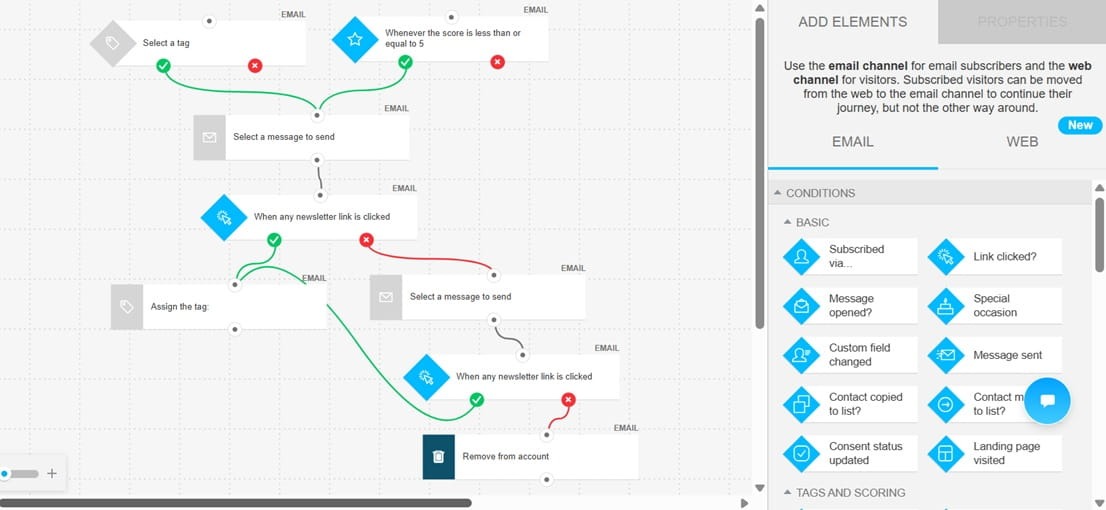
Retaining customers requires useful customer service, too. Send order updates and post-purchase check-ins, and offer replenishment or back-in-stock alerts where your tools support them.
A customer relationship management (CRM) system can keep purchase history and support conversations accessible to your team. Use those records to resolve complaints without making customers explain the same problem again.
And don’t forget to monitor brand sentiment online. Engage the customers applauding your brand and address complaints raised on social media or independent review platforms.
What to track at the retention stage
- Customer retention rate
- Net revenue retention (SaaS)
- Churn rate
- Purchase frequency
- Repeat purchase rate
- Customer satisfaction score
- Customer engagement through email and SMS, where used
Stage 5: Help satisfied customers become advocates
Customer lifecycle management supports advocacy by giving satisfied customers a clear way to recommend your brand and share their experience.
The goal is to create brand loyalists who actively recommend your products to their peers. A good experience gives customers a reason to recommend you, but loyalty doesn’t automatically lead to advocacy. Make the next step easy.
That’s where referral programs come into play. Reward customers when they successfully recommend your product. A double-sided reward system gives both the referrer and the new customer a benefit after a qualifying purchase.
Ridge and Rothy’s use this approach. See Ridge’s loyalty program and Rothy’s referral terms for their current rewards, eligibility requirements, and purchase conditions.
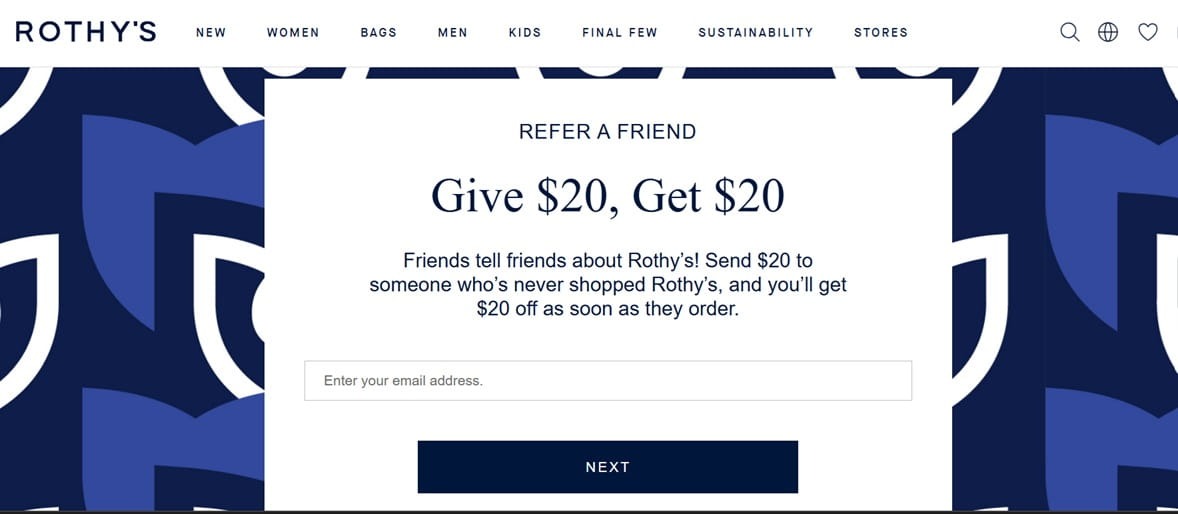
Beyond referral rewards, encourage loyal customers to leave honest reviews. Ask on your site and on relevant review platforms where your brand has a presence. G2 and Capterra fit software businesses; Amazon reviews belong with products sold there.
Recognize these reviews and feature them on your site with the appropriate permissions. You can also create case studies featuring loyal customers who are willing to share their experience.
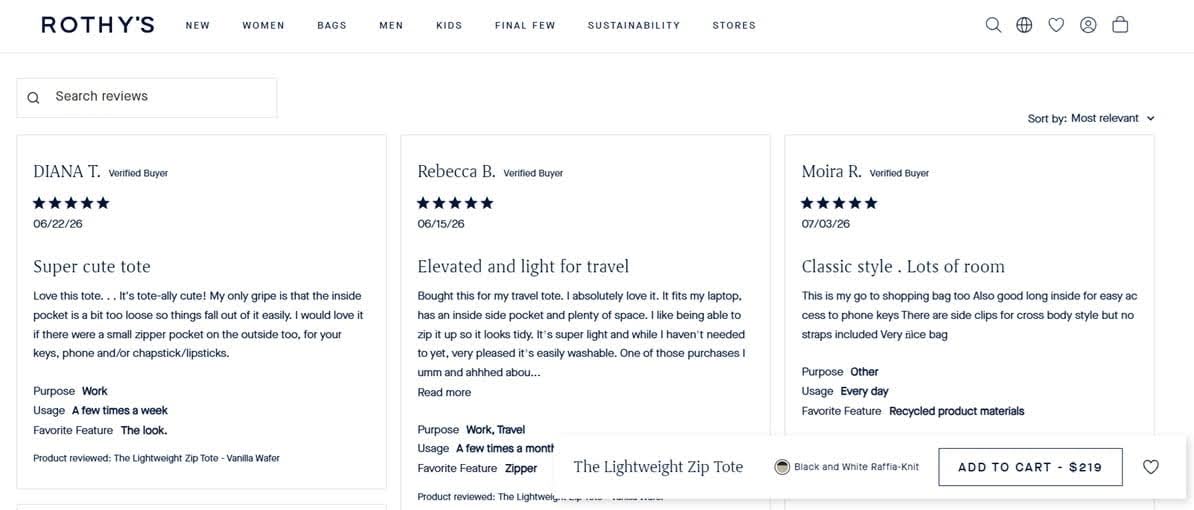
Customer reviews help new buyers understand what people liked and what could be better. Track completed referrals alongside review activity. Net Promoter Score measures stated willingness to recommend; it doesn’t count how many customers actually referred someone.
What to track at the advocacy stage
- Net Promoter Score (NPS)
- Referral rate
- Referral-driven revenue
- Referral conversion rate
- User-generated content (UGC) volume
- Review volume
- Referral program participation rate
How to automate customer lifecycle management
Customer lifecycle management automation connects customer events to timely follow-ups, with rules for when each sequence starts and stops.
Before you start, connect your store, CRM, and messaging tools to the customer records you use for segmentation. You need reliable purchase events, recent activity, and channel preferences. Decide who owns the workflow and any support handoffs.
- Choose one outcome. Start with a problem you can measure, such as helping first-time buyers place a second order.
- Define the segment and trigger. For example, enroll first-time buyers when their order is completed. Exclude contacts who have opted out of the relevant marketing channel.
- Build a useful sequence. Follow the purchase with product guidance. Send a replenishment reminder or relevant recommendation when the product’s normal usage cycle supports it.
- Set exit conditions. Stop or change the sequence when a customer buys again, opts out, or needs help with an unresolved complaint.
- Test the workflow. Use test contacts to check event tracking, message timing, personalization, links, and exit conditions before enrolling customers.
- Measure the result. Compare repeat purchases, revenue, campaign costs, and opt-outs for similar customer groups over the same period.
GetResponse offers an automation solution with behavior-based events, conditions, and filters for building these workflows. SMS automation is currently listed on the Enterprise plan. Review GetResponse plans and features before choosing your channels.
Create your free account to explore GetResponse and choose the plan that fits your store and workflows.
Customer lifecycle management FAQs
Customer lifecycle management covers five stages, uses customer data to guide follow-ups, and measures progress through purchases, retention, and referrals.
What is the lifecycle of a consumer?
The consumer lifecycle is the relationship a person has with a brand, from first discovering it to purchasing, returning, and potentially recommending it. Customer lifecycle management helps teams understand that relationship and respond to customer needs at each stage.
What are the 5 stages of the customer life cycle?
The five stages in this customer lifecycle model are awareness, acquisition, purchase, retention, and advocacy. Awareness introduces the brand; acquisition builds interest; purchase turns a prospect into a buyer; retention encourages an ongoing relationship; advocacy makes recommendations easier. Customers can pause, return, or leave at any stage.
What is the difference between customer lifecycle management and CRM?
Customer lifecycle management is the process of managing customer relationships across lifecycle stages. Customer relationship management (CRM) software stores contact details, purchase history, and conversations that teams can use to carry out that process. A CRM supports CLM, but it doesn’t replace a lifecycle strategy.
How can you automate customer lifecycle management?
Automate customer lifecycle management by connecting customer data to triggers, follow-up messages, and exit conditions in an automation platform. For example, a completed purchase can start a product-guidance sequence and a later replenishment reminder. Tools such as GetResponse support lifecycle workflows; channel and feature availability depends on the plan.
How do you measure customer lifecycle management?
Measure customer lifecycle management with metrics matched to each stage: qualified leads, purchase conversion, repeat purchase rate, retention, and completed referrals. Compare results for similar customer groups over the same period, and include campaign costs and opt-outs when judging whether a workflow is helping.
