
Retail ecommerce sales show no signs of slowing down. Global online sales are forecast to climb from $6.56 trillion in 2025 to around $7.06 trillion in 2026, continuing the steady post-pandemic growth.
As ecommerce continues to grow and competition heats up, it’s important to stay ahead of the latest trends in ecommerce. That way, you can leverage this opportunity to succeed in 2026.
2026 ecommerce trends: the big picture
The customer continues to be king in online retail. But the way you reach and delight that customer is changing fast. In 2026, ecommerce businesses will rethink their marketing strategies and the platforms they use to focus on what drives long-term value.
That means prioritizing channels you can control and using tools that enhance the customer experience (CX) at every touchpoint.
In particular, we’ll see brands doubling down on owned marketing channels, using AI-driven personalization, creating immersive shopping experiences, boosting retention through loyalty programs, and offering seamless omnichannel experiences.
In 2026, ecommerce marketing also shifts from persuading humans → persuading humans and the AI decision systems they increasingly rely on.
As more shoppers use AI assistants to discover, compare, and validate products, brands need to optimize not only for human conversion but also for AI-mediated discovery and trust signals (structured product data, clear policies, credible reviews, and consistent claims).
Adobe Analytics has also reported rapid growth in traffic to retail sites from generative AI sources and noted a growing share of consumers using GenAI in shopping journeys – early signals that “AI-assisted shopping” is moving from edge-case to habit.
9 ecommerce marketing trends to watch for in 2026
While putting your customers first is not a new concept, here are 9 emerging trends you can leverage to exceed your customer expectations and boost the success of your business in 2026 and beyond.
1. Owned channels overtake social media for ROI
Marketers are shifting focus from “rented” platforms like social media (where algorithms can limit reach) to owned channels such as email. And it’s not hard to see why.
We’ve all heard the horror stories. Brands building huge followings only to lose access to their audience overnight after an algorithm change. Even with 100,000 followers, you’re still at the mercy of the platform’s rules. But when you grow your email list, you own the relationship. No algorithm can take it away.
The numbers tell the same story. The average email open rate for all industries is 39.64% and the click-through rate is 3.25%, whereas organic reach on a platform like Instagram is only about 3–5%. It’s no surprise then that nearly 27% of marketers rank email as their top ROI-generating channel, and 37% say it gives them the most control over their audience.
Owned channels also become a strategic hedge in an AI-shaped web. As discovery shifts toward AI assistants and AI-powered search experiences, a permission-based audience protects your reach, strengthens retention, and gives you the first-party signals needed for smarter personalization and measurement – even as the broader ad ecosystem continues to evolve.
Practical steps to follow:
- Build your email list by offering lead magnets or exclusive content to encourage sign-ups on your website. Then, nurture those contacts with personalized content and promotions. Use segmentation to tailor messages to customer interests and A/B testing to optimize your email subject lines and offers.
- Use your “rented” platforms to grow your owned channels. For example, promote your newsletter on social media, and in turn, use email to drive followers to your ecommerce store.
2. Artificial intelligence revolutionizes the ecommerce experience
We’re quickly moving to a world where engaging with a virtual agent will feel as natural as talking to a sales clerk, and where asking your smart speaker to reorder your favorite product online will become routine.
That future is already taking shape. Progress in natural language processing means AI agents can now understand nuanced questions. They can then pull data from your product catalog or a user’s past orders to deliver helpful, personalized recommendations.
For example, if a customer asks on your site, “I need a gift for a 5-year-old under $50,” an AI chatbot can instantly scan your inventory and present a few good options. This highlights why 58% of customers prefer using Gen AI tools for product recommendations, according to Capgemini’s 2025 research.
AI voice assistants are also becoming deeply integrated into our daily routines. GWI research reveals that about 21% of people use voice search each week to look up information, and around 20% use it for actions like ordering products or playing music.
As AI adoption by consumers grows, retailers are shifting their focus from exploring AI tools to implementing them in their businesses. Quid’s 2025 State of AI in Ecommerce Report notes that 15% of retailers are using Generative AI for product recommendations, while 10% are using automation for inventory management and AI agents for customer service.
Practical steps to follow:
- Embrace AI in your workflows, but do so thoughtfully. Start with high-impact areas. For instance, use AI Product Recommendations to personalize your website’s shopping experience and email campaigns.
- Integrate conversational AI into your ecommerce strategy if you haven’t already. Start with a chatbot on your website that’s trained on your FAQs and product info and use it to handle common customer questions (like shipping, returns, product details) and to proactively offer help as users browse.
AI is also expanding from “assist” to “orchestrate.” In 2026, the most disruptive impact won’t just be chat on your site – it’ll be AI intermediaries that reshape discovery, recommendations, and even purchasing behavior (covered in Trend 7), as reflected in major research on “agentic commerce” and AI shopping agents.
3. Live shopping and shoppable videos continue to grow
In 2026, livestream shopping events and shoppable videos will be common, as brands look to continue recreating the QVC-style experience for modern consumers.
This shift isn’t just a hunch. According to Firework’s 2025 State of Video Commerce, 78% of customers would prefer to learn about a product or service through short videos. And 87% have been convinced to buy a product or service by watching a video.
So what does live shopping look like in practice? Let’s say you’re watching a fashion influencer show off a new summer dress collection on your phone. With live shopping, you can click to purchase the exact dress you like right there on the video, without interrupting the stream. Viewers can chat, ask questions, and get answers on the spot.
The mix of social interaction, real-time urgency, and entertainment value makes this format very effective at driving engagement and impulse buys. It’s essentially social proof + FOMO + convenience rolled into one. No wonder 82% of shoppers say viral trends and social media buzz influence their purchase decisions. Live shopping capitalizes on that by turning marketing content into an event people don’t want to miss.
Many brands are already proving the model works. In retail, Nordstrom used shoppable livestreams around its 2024 Anniversary Sale. They ran “Beauty NLives” with Bobbi Brown, OSEA, Charlotte Tilbury, The Outset, and GHD, plus a “Wish List Building Livestream” preview customers could watch and shop in real time.

In fashion and beauty, Victoria’s Secret turned its Oct 15, 2024 Fashion Show into a live, shoppable broadcast across Prime Video and social channels. Amazon viewers in the U.S. could shop for some of the looks in real time as models walked the runway.

Practical steps to follow:
- Identify a platform where your audience is active (like Instagram or TikTok) and try a simple live stream showcasing a few products. Promote it beforehand via email and social media posts to get an audience in the “room.” During the stream, make it interactive: answer viewer questions, use polls or giveaways to keep it fun, and highlight limited-time offers.
- Collaborate with influencers or creators in your niche for live sessions; their personality and follower base can amplify your reach and credibility. However, don’t forget to tie your live shopping and video marketing efforts back to your owned channels. For example, you can capture leads from live events and follow up with an email highlighting the products featured (as a recap for those who missed it or need a second look).
4. Sustainability becomes a core consumer demand
Shoppers are actively seeking out eco-friendly options and will even abandon purchases if a brand’s practices don’t align with their values. DHL’s 2025 Ecommerce Trends Report found that 72% of online shoppers consider sustainability when making purchases, and 1 in 3 have outright stopped a purchase because of sustainability concerns.
This shift has pushed many brands over the past few years to introduce initiatives like recyclable or minimal packaging, carbon-offset options at checkout, and take-back programs for used items. By 2026, such practices will be the norm rather than the exception.
The same DHL research shows consumers are embracing circular commerce. Over 50% now choose pre-owned or refurbished goods when available, and 58% say they’re willing to participate in recycling or buy-back programs that retailers offer. These numbers highlight how much shoppers value brands that sell them sustainable products.
Major retailers have taken note. Patagonia’s Worn Wear platform gives used gear a second life, while IKEA now sells second-hand furniture to tap into the growing demands of eco-conscious shoppers.
Practical steps to follow:
- Conduct a sustainability audit of your ecommerce operations and identify areas you can improve. This might mean switching to biodegradable packaging, offering a carbon-neutral delivery option, or sourcing more sustainable materials for your products.
- Even if your product itself isn’t “green,” you can partner with organizations to plant trees or donate a portion of sales to environmental causes and communicate these actions to your customers. You can also weave sustainability into your brand story on your website, product pages, and emails, and educate customers on what you’re doing. Just make sure any claims you make are genuine, as modern consumers are very good at sniffing out greenwashing.
5. Loyalty programs continue to thrive
It’s far more costly to acquire a new customer than to retain an existing one, and loyalty initiatives remain one of the best tools to boost retention. According to Antavo’s 2025 Global Customer Loyalty Report, businesses with loyalty programs generate 5.2 times more revenue than what it costs to set up the program. EY’s 2025 Loyalty Market Study also revealed that 41% of customers stay loyal to a brand specifically because it offers a rewards program.
With such measurable proof, brands are getting creative with loyalty programs. They’re moving beyond simple points-per-dollar systems to more engaging formats like:
- Tiers (silver, gold, platinum status with increasing benefits)
- Gamification (badges, challenges, community forums)
- Paid VIP clubs
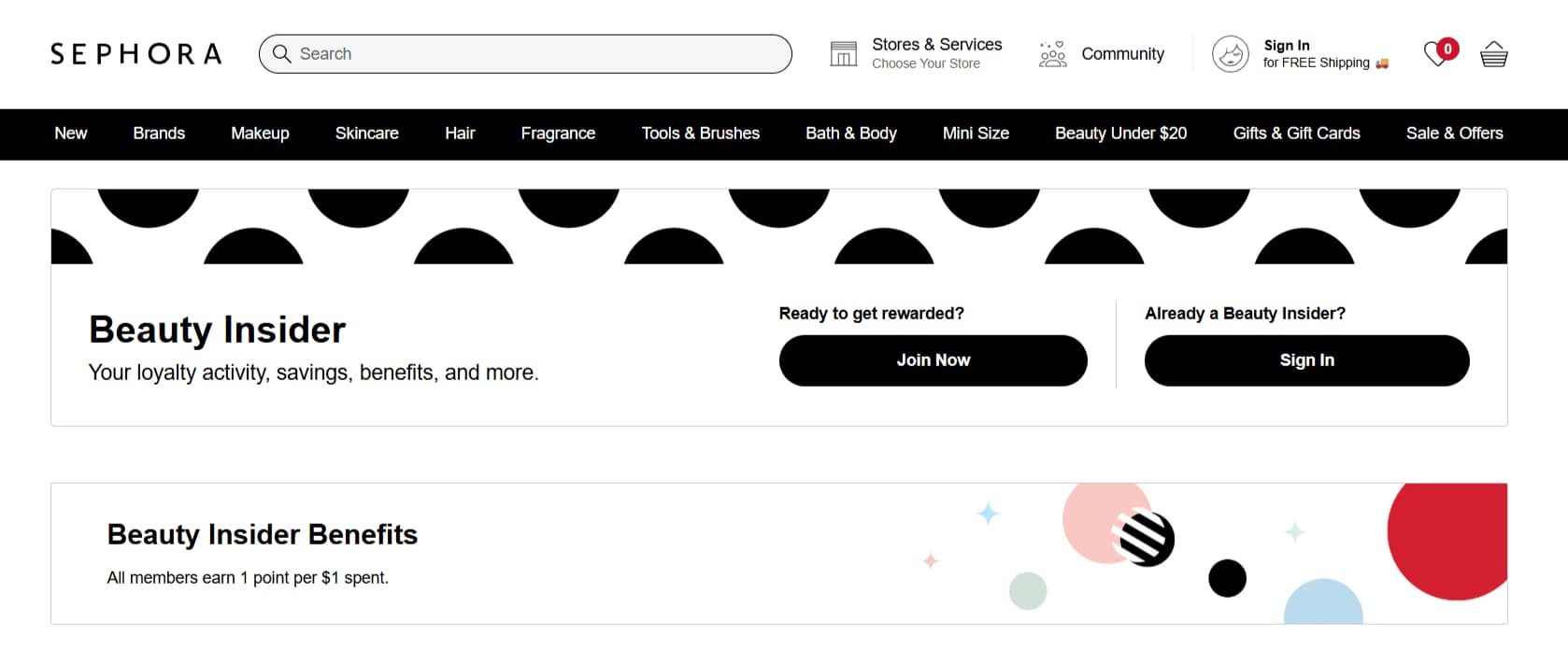
Sephora Beauty Insider shows how a well-structured loyalty program can drive engagement. The free program moves members through a tiered level (Insider → VIB → Rouge), with points earned on every dollar spent. Benefits include shipping perks, redemption rewards (Beauty Insider Cash), birthday gifts, exclusive events, and first access to new products.
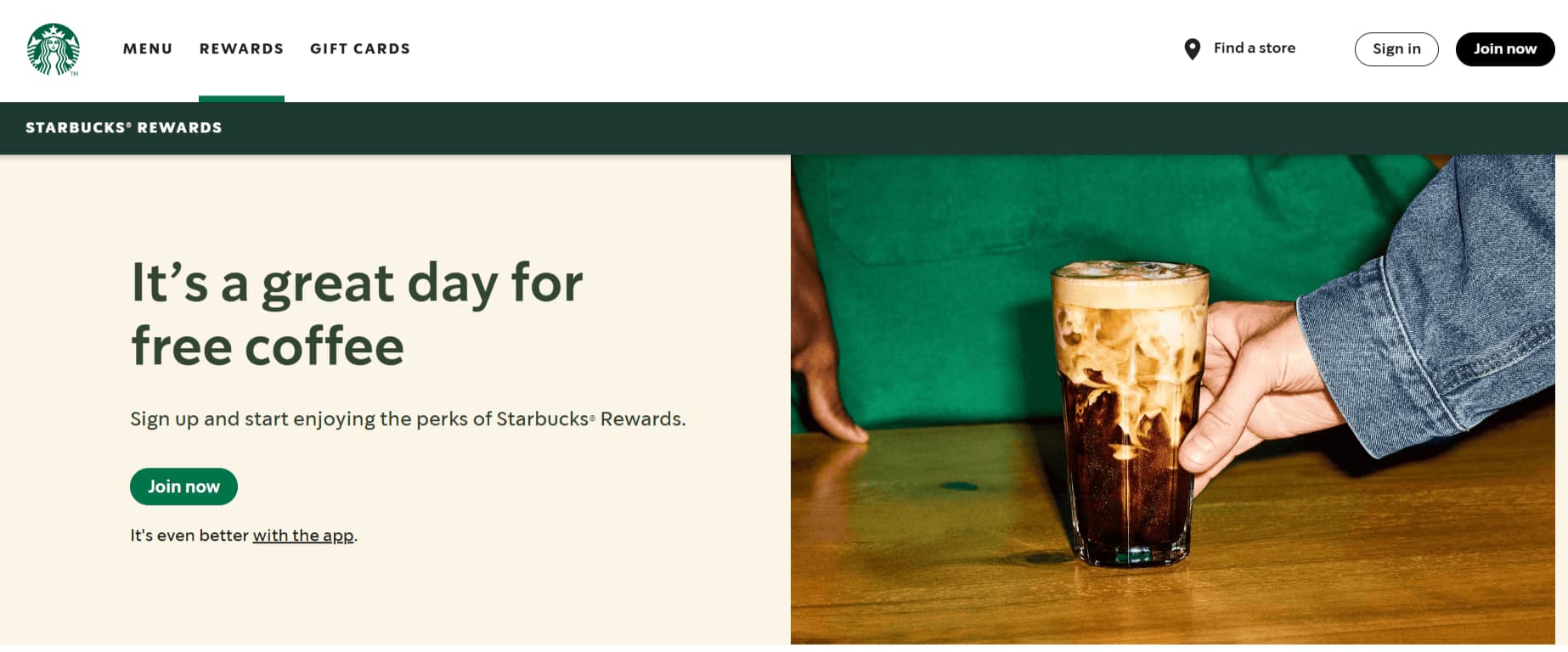
Starbucks Rewards focuses on everyday engagement. Free to join, it allows members to earn Stars for purchases, unlock special offers, and enjoy a birthday treat, which encourages frequent visits and repeat orders.
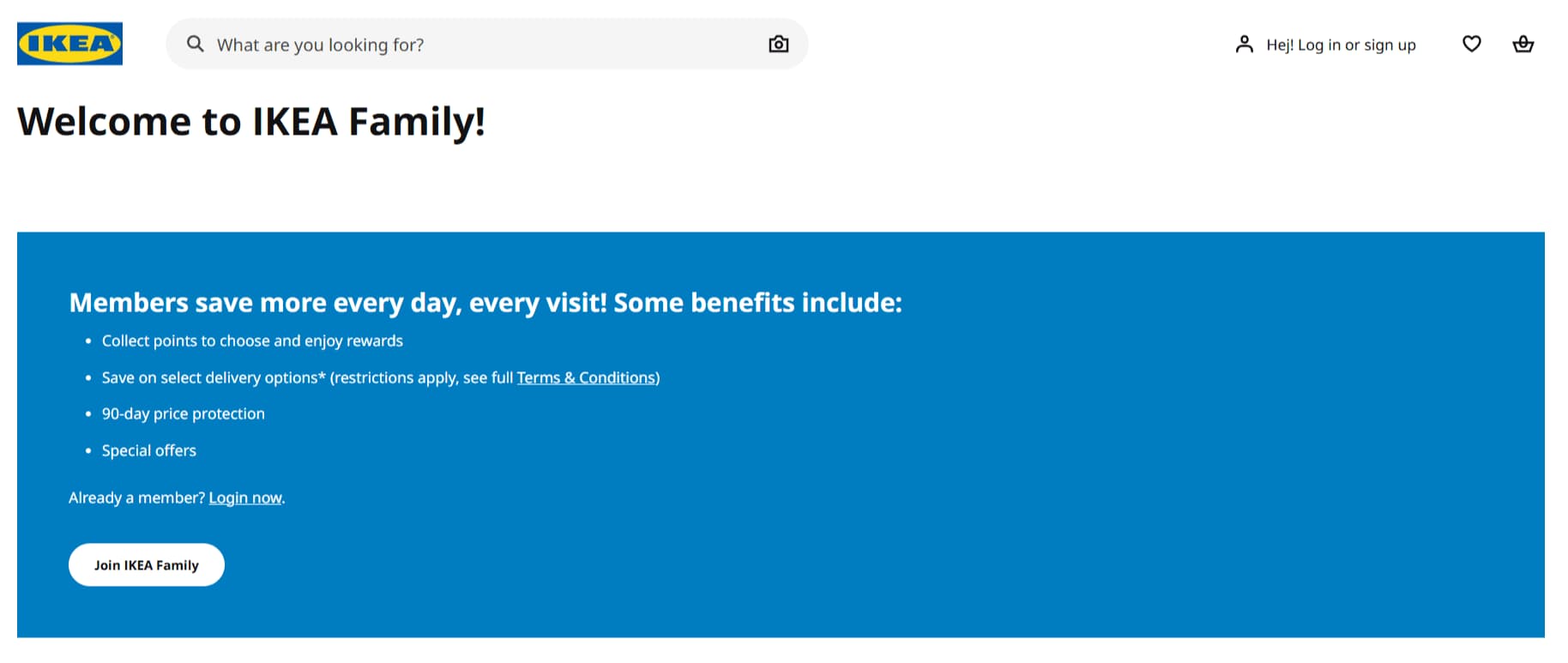
IKEA Family blends rewards with community value. Being a member grants you benefits like discounted product prices, free in-store coffee or tea, 90-day price protection, buy-back and resale programs, and workshops and events. You also earn points through purchases and engagement, which you can redeem for rewards.
Practical steps to follow:
- Ensure your loyalty benefits are genuinely valuable – early access to products, exclusive products, free samples, or significant discounts to motivate participation. Also, promote your loyalty program everywhere: on the header of your website, at checkout, and in follow-up emails.
- Think of how you can make it more rewarding for customers to shop with you. For example, give points or small rewards for actions like writing a review, following your social media pages, or referring a friend. Occasional surprise perks (on birthdays or account anniversaries) can also delight your customers.
- Consider how AI can make your loyalty program more efficient. Use it to handle repetitive tasks like customer support and data analysis. Research shows that 39.6% of customers would be willing to join a loyalty program even if it used AI.
In 2026, loyalty and trust increasingly overlap: loyalty mechanics work best when they reinforce credibility (verified community, authentic reviews, transparent perks), not just discounts – especially as regulators tighten scrutiny on deceptive review practices (see Trend 8).
6. Consumers will continue to expect seamless omnichannel experiences
Shoppers today expect to move fluidly between a brand’s website, mobile app, social media, and physical store. And younger consumers are setting the bar the highest. ShipStation’s 2025 Ecommerce Delivery Benchmark Report notes that those under 35 expect high-quality experiences no matter where they choose to shop.
By 2026, delivering a seamless omnichannel experience will no longer be a differentiator for businesses but a baseline expectation from consumers.
Several brands have already adopted this strategy. Nike, for example, merges digital and physical interactions through its Nike app. Customers can browse and reserve products online, pick them up in-store, and enjoy exclusive perks tied to their Nike Membership profile.

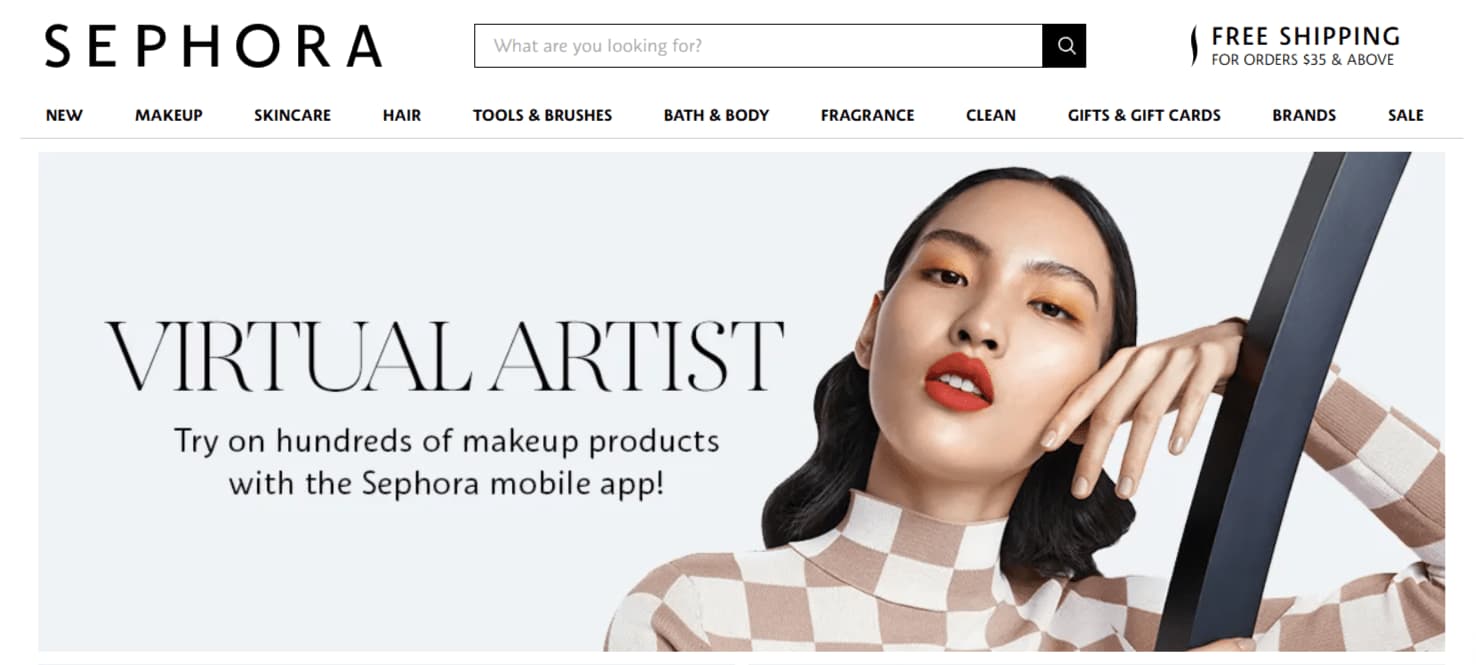
Sephora takes a similar approach with its Virtual Artist tool by blending shopping experiences with virtual reality (VR) technology. Shoppers can virtually try on makeup at home, add items to a digital cart, and then find those same products in-store, where their app wish list and loyalty points sync up for a true “pick up where you left off” experience.
But while these examples show what’s possible, achieving a unified journey is easier said than done. Many ecommerce teams still grapple with fragmented customer data and siloed systems that prevent a 360° view of the shopper.
When online and offline systems fail to connect, customers can feel like strangers in-store despite having browsed or purchased online, which breaks the illusion of a single, unified brand.
To close these gaps, you need a more coordinated approach that aligns your systems, messaging, and team.
Practical steps to follow:
- Unify customer data across channels. Invest in integrated platforms that consolidate data from all touchpoints into one view. This will allow personalized, consistent interactions no matter where the customer engages.
- Ensure consistent messaging and service. Align your pricing, promotions, and customer service policies so that the user experience is uniform online, in-store, and on mobile. A customer should encounter the same products, prices, and brand voice on all platforms to prevent the trust gaps that fragmented journeys create.
- Break down organizational silos. Encourage collaboration and shared accountability between teams (marketing, sales, retail, customer support, etc.) for the entire customer journey. This might involve joint planning sessions so that everyone works toward a seamless end-to-end experience rather than optimizing channels in isolation.
In 2026, “omnichannel” also means seamless AI handoffs. Customers will often start with an AI touchpoint (chat, voice, AI search) and expect the brand to carry context across the journey – from self-serve to human support, and from browsing to purchase confidence – without repeating themselves or losing momentum.
7. AI intermediaries reshape ecommerce discovery and decisions (Agentic commerce + GEO)
In 2026, the shopping journey is increasingly intermediated by AI systems – and that changes what “visibility” means. Two structural shifts matter most:
Agentic commerce (from “chat” to “do”): AI shopping agents are moving beyond Q&A into execution – scanning options, comparing tradeoffs, checking policies, monitoring prices, and helping complete purchases. McKinsey describes this as “agentic commerce,” an intent-driven flow across services and platforms.
BCG similarly warns that if retailers don’t adapt, they risk being reduced to “background utilities” in agent-controlled marketplaces. For marketers, the implication is clear: you’re not only persuading a shopper – you’re earning a place on an agent’s shortlist, which depends on clean data, predictable fulfillment, and credible trust signals.
GEO (Generative Engine Optimization): “search” becomes answers. Gartner predicts traditional search engine volume will drop 25% by 2026 as search marketing loses share to AI chatbots and other virtual agents. As more shoppers ask one composite question and act on a short list, brands must optimize to be included in AI-generated recommendations – by improving the clarity and consistency of product truth: structured attributes, accurate availability/pricing, clear shipping/returns, and content that AI systems can confidently cite and summarize.
Practical steps to follow:
- Make your catalog machine-readable: standardize product attributes, variants, sizing, compatibility, materials, and FAQs.
- Treat policies as conversion content: align shipping/returns/warranty language across site, email, and support docs.
- Measure AI-driven journeys: track traffic and conversions from AI sources separately (entry pages, intent patterns, assisted conversions).
8. “Trust tech” becomes conversion tech (fake reviews, AI content, proof, provenance)
As AI-generated content scales, shoppers grow more skeptical – and regulators are actively targeting manipulation. In the US, the Federal Trade Commission (FTC) announced a final rule banning fake reviews and testimonials, explicitly aiming to deter AI-generated fake reviews and other deceptive practices. In 2026, brands that operationalize trust will convert better: verified-buyer reviews, strong moderation, transparent incentives, authentic UGC, and consistent proof behind claims (ingredients, sustainability, performance, guarantees). Trust stops being “brand fluff” and becomes a measurable lever for conversion and retention.
Practical steps to follow:
- Prioritize verified-buyer reviews and strengthen moderation to catch suspicious patterns (bursts, repetition, unnatural timing).
- Disclose incentives clearly and avoid tactics that suppress negative feedback.
- Add decision-time proof on PDPs: guarantees, authenticity markers, transparent sourcing, and clear documentation behind key claims.
9. Privacy-first personalization matures (preference-led, transparent, regulation-aware)
Personalization still pays, but the definition of “good personalization” hardens in 2026: more transparency, more user control, and less tolerance for creepy targeting. Two forces are converging: consumer fatigue with over-targeting and a shifting privacy environment. In the EU, the European Commission confirms the AI Act entered into force on 1 August 2024, setting a framework that includes transparency expectations for certain AI systems.
Separately, the ad ecosystem remains volatile – Google reversed its long-standing plan to remove third-party cookies in Chrome in favor of a “user choice” approach, and later announced it would not roll out a standalone cookie prompt – reinforcing why first-party and zero-party (preference) data remains the most durable foundation for personalization and measurement.
Practical steps to follow:
- Build a real preference center (topics, frequency, channels) and use progressive profiling instead of over-collecting upfront.
- Be explicit about AI: disclose when AI is used in customer interactions and make escalation to human support easy.
- Plan measurement around first-party signals (email engagement, site behavior, purchase history) to reduce dependence on third-party tracking volatility.
Prepare your ecommerce strategy for 2026
As we head into 2026, ecommerce marketing will center on creating seamless, high-value experiences for both new and existing customers. The trends above all point toward one thing: putting the customer’s needs and preferences at the heart of your strategy.
And increasingly, that includes serving the customer’s “AI layer” – the assistants and AI search experiences shaping what people see, trust, and buy.
Brands that invest in agent-ready experiences (clean data + clear policies), AI-visible content (GEO/citation readiness), verified trust signals, and privacy-first personalization will be best positioned to grow as the buying journey becomes more AI-mediated.
